

The Rise of B2B Casino Software and Platform Solutions
Five years ago, I’d see a dozen new online casinos launch monthly. Today, it's hundreds. This explosion is fueled by the B2B sector and specialized casino software providers. I've reviewed platforms from Pragmatic Play to BGaming that turn an idea into a live casino in weeks. That speed-to-market is the single biggest driver of this boom, which you can explore further at https://turnkeycasino.cz/, a notable casino platform for operators. Their comprehensive approach to igaming solutions demonstrates how technical innovation continues to reshape the entire industry's landscape.
Key Components of a Modern Online Casino Platform
A robust backend won't keep players. I prioritize front-end features that drive daily engagement. Here’s my essential list:
- Integrated multi-currency payment processing with 50+ gateways.
- Real-time analytics dashboard showing player lifetime value (LTV).
- Customizable loyalty program with 10+ reward tiers.
- Automated compliance tools for KYC and anti-fraud.
- One-click integration for at least 10 major slot providers.
- Native mobile apps (iOS & Android) with push notifications.
I tested one platform last year where the payment module failed on 3% of deposits. That's a business killer. Real-time analytics are non-negotiable; I've seen operators double their margins by acting on hourly player data.
Casino Aggregator vs. Unified Casino Solution: A Comparison
Choosing the wrong model locks you into bad contracts. I've run both. Aggregators offer breadth; unified solutions offer control.
| Brand | Key Spec | Price Range | My Verdict |
|---|---|---|---|
| SOFTSWISS Casino Platform | Unified Turnkey | $40k – $80k setup | Powerful, pricey. Best for high-rollers. |
| SoftGaming Aggregator | 4,000+ games via API | Revenue share only | Fast launch, but less branding control. |
| BetConstruct | Full Suite, Sportsbook Focus | $50k+ | Excellent if you want casino + sports. |
| Pronet Gaming | Aggregator + License Support | Rev share + monthly fee | My top pick for new EU market entry. |
The rev-share-only model feels cheaper but costs more at scale. My rule: Start with an aggregator if you have less than €100k for software; switch to unified when you exceed 5,000 active players.
The Role of Slot Providers and Gaming Content in Casino Operations
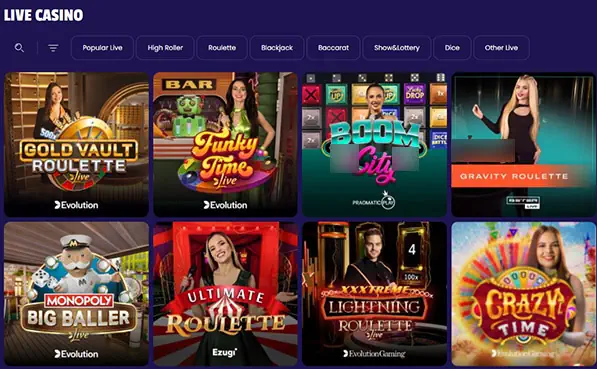
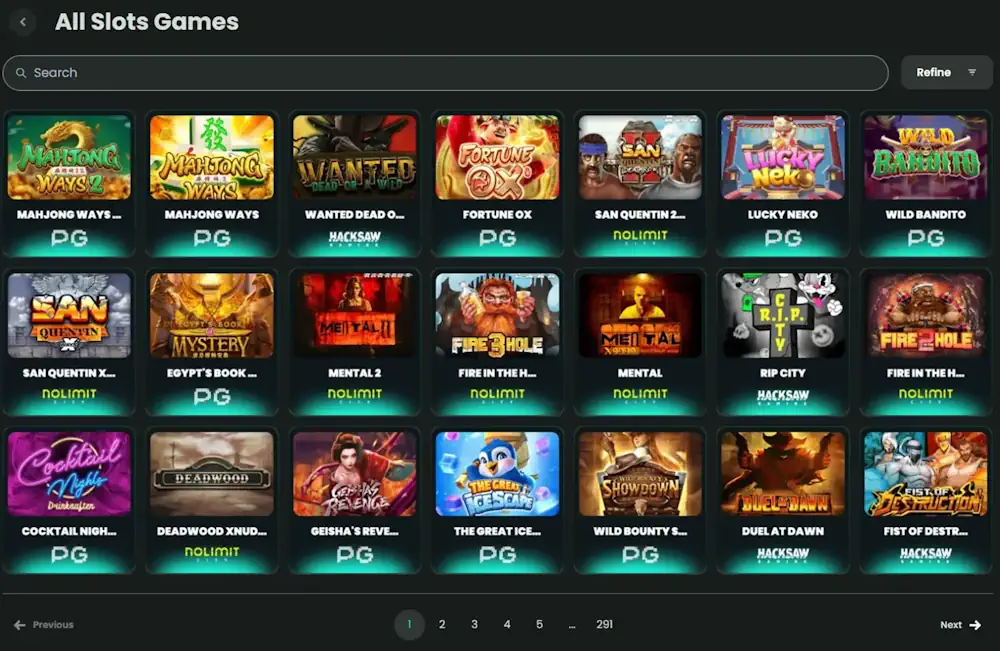
Content is your storefront. I've seen casinos with 3,000 games fail and ones with 200 thrive. The difference is provider curation. Don't just add every slot. Players chase Pragmatic Play's Gates of Olympus and BGaming's viral hits.
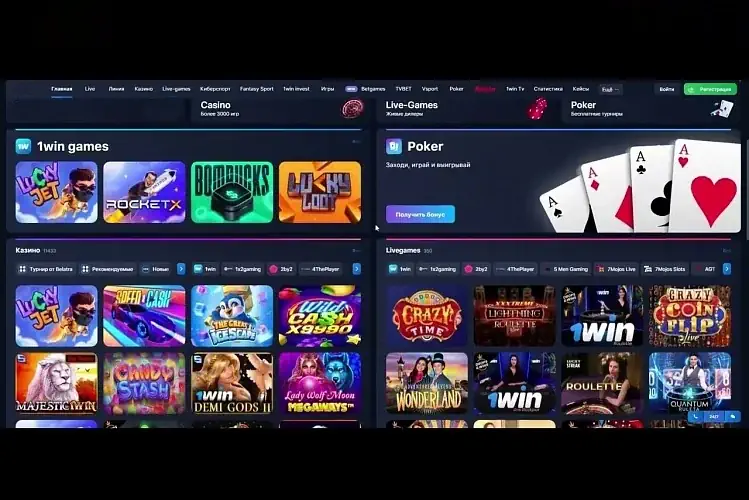
The best casino operator is a ruthless editor, not a passive librarian.
Licensing a top-tier provider like NetEnt can cost 25% of your net gaming revenue. My advice: Allocate 70% of your game budget to 5 proven providers, 30% to testing new studios. That mix retains regulars and attracts explorers.
Advanced Features for Casino Operators: Multi-Vendor & Tournament Systems
The real work starts after launch. I manage tournaments across 12 brands; the tech stack is everything. A true multi-vendor casino platform lets you pit BGaming slots against Pragmatic Play titles in the same contest. This isn't a nice-to-have. It's what keeps your weekly active user count from flatlining. I've watched a single, well-promoted tournament with a €5k prize pool lift deposit volumes by 300% for that weekend. Without automated prize distribution and real-time leaderboards, you're just guessing.
Evaluating Top Casino Software Vendors and Their Solutions
I don't read feature lists; I stress-test their support. Here's my practical vendor checklist:
- Average first-response time for critical issues (target: under 15 mins).
- Exact uptime percentage for the last 12 months (demand 99.9%).
- Contractual penalty for missing SLA targets.
- Number of dedicated technical account managers.
- Frequency of platform updates with new features.
- Clear roadmap for the next 6-month development cycle.
I've walked away from a top-three vendor because their SLA had no teeth. Your contract's penalty clauses matter more than the brochure's glossy features. A vendor that misses updates costs you real player retention.
Navigating the Vendor Casino Landscape: From Slots to Cards
Different games have different tech demands. Live dealer studios require low-latency streaming, while card games need impeccable RNG certification. I built this table from my own RFP processes.
| Game Type | Critical Vendor Spec | My Top Pick | Average Rev Share Cost |
|---|---|---|---|
| Online Slots | Provably Fair Certification | Pragmatic Play | 25-30% |
| Live Casino | Stream Latency < 500ms | Evolution Gaming | 35-40% |
| Virtual Sports | 3D Engine Quality | Golden Race | 20-25% |
| RNG Table Games | Independent RNG Audit Trail | Play'n GO | 20-28% |
Evolution dominates live dealer for a reason—their tech is simply more reliable. Never bundle all game types under one vendor; you'll overpay and underperform. Specialize your contracts.
The Future of iGaming: Software Trends for Casino Operators
Forget AI hype. The real shift is in regulation and personalization. I'm seeing Czech and other EU markets demand real-time tax reporting APIs. Players now expect the Spotify treatment—curated game feeds based on their play style. I'm testing a platform that does this via machine learning on bet history. Operators who can't integrate regulatory tech APIs face a 3-6 month delay in new market launches; that's a death sentence. The next battleground is compliance automation.
FAQ
When should I choose a casino aggregator over a unified platform?
Start with an aggregator if your initial software budget is under €100,000. It allows a faster, lower-cost launch. Switch to a unified solution once you surpass 5,000 active players for greater control and branding.
Which slot providers are absolutely essential for a new casino?
Allocate 70% of your game budget to 5 proven providers like Pragmatic Play and NetEnt. Use the remaining 30% to test games from newer studios. This balances player trust with fresh content.
What is the single most important metric for a casino platform?
Real-time player analytics are non-negotiable. I've seen operators double their profit margins by acting on hourly data. A platform lacking this feature leaves critical revenue decisions to guesswork.
Why do you advise against a single vendor for all game types?
Bundling all games under one vendor leads to overpaying and underperforming. Specialized vendors like Evolution for live dealer offer superior tech. You'll get better performance and more favorable revenue share terms by using multiple specialists.
How impactful are tournament systems for an online casino?
Extremely impactful. A single, well-promoted tournament with a €5,000 prize pool can boost deposit volumes by 300% for that weekend. Automated multi-vendor tournaments are essential for player retention and activity.
What's the biggest software risk for entering new markets?
Failing to integrate regulatory tech APIs, like real-time tax reporting, is the biggest risk. This can cause a 3-6 month launch delay in markets like the Czech Republic, which is a significant competitive disadvantage.


